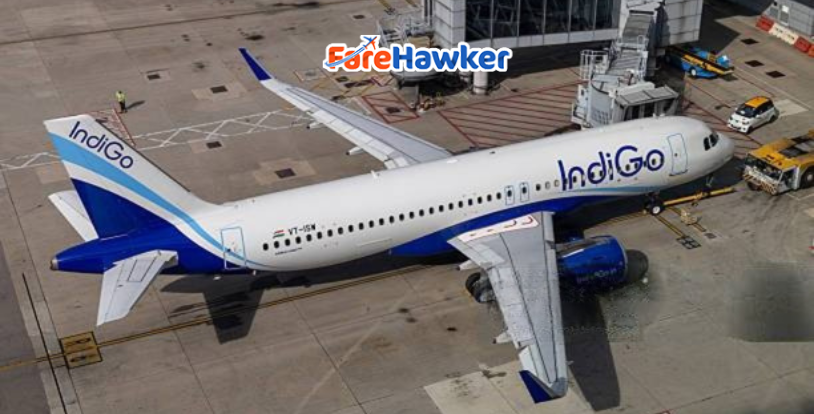
India’s aviation industry is experiencing one of its toughest phases in recent years. With airfares climbing to record levels, the dream of making flying affordable for everyone is slowly drifting away. In the first 10% of this article, it’s important to highlight a rising topic many travelers are discussing: Air Indian Group Booking , which is becoming directly linked to the broader debate about fare hikes and accessibility. While the promise of affordable travel once energized the aviation sector, today’s pricing structure paints a different picture — one where high fares are restricting mobility for millions of Indians.
Understanding the Current Crisis in India’s Aviation
India is the world’s fastest-growing aviation market, yet paradoxically, travelers are paying some of the highest regional fares. The demand is there — millions want to fly — but the ecosystem supporting affordable fares is slowly crumbling.
Surging fuel prices, limited airline capacity, and high taxes have caused an extraordinary imbalance between supply and demand. As a result, ordinary passengers are left grappling with fares that sometimes seem outright unreasonable.
What’s Fueling the Sky-High Airfares?
There isn’t one single reason behind India’s rising airfares. Instead, it’s a combination of several influential factors that came together at the worst possible time.
1. Massive Passenger Demand
Post-pandemic travel bounced back quicker than anyone expected. People wanted to travel again — for business, tourism, weddings, holidays and more. The aviation industry couldn’t keep up.
2. Limited Seats and Aircraft Shortages
Because of global supply chain issues, aircraft manufacturers like Airbus and Boeing struggled to deliver planes on time. Airlines continued operating with fewer aircraft than needed.
3. Overloaded Flight Routes
During holiday seasons, festival periods, and peak tourist months, flight demand often exceeds supply by 200–300%. Naturally, ticket prices shoot up.
How AIR INDIA GROUP BOOKMARKING Became Part of the Pricing Conversation
Air Indian Group Booking , a tool used by group travelers and agents to monitor fare trends and secure allocations, is now receiving major attention. With unpredictable fare hikes, bookmarking group fares for future travel has become essential for corporate groups, families, tourism planners, and event organizers.
Here’s why:
-
Prices can rise within minutes
-
Inventory for group bookings is extremely limited
-
Bulk fare contracts change rapidly
-
Airlines adjust rates dynamically throughout the day
Thus, monitoring prices through systems like Air Indian Group Booking is no longer optional — it’s a necessity for cost-conscious travelers navigating India’s overpriced skies.
Rising Operational Costs and Their Impact
One of the biggest drivers behind expensive fares is the steep rise in operational expenses for airlines.
Jet Fuel Prices: The Largest Culprit
Aviation Turbine Fuel (ATF) accounts for 35–45% of an airline’s operational cost.
In India, ATF is among the most heavily taxed in the world — nearly 30% more than the global average.
This alone makes tickets significantly pricier.
Airport Charges and Taxes
Passengers often forget that the price they pay includes a long list of additional fees:
-
Airport Development Fees
-
User Development Charges
-
Goods and Services Tax
-
Security Surcharge
-
Fuel Surcharge
India’s airports, especially private ones, impose some of the region’s highest passenger charges. Naturally, airlines pass these added costs to travelers.
Why the Budget Carriers Are Struggling
Low-cost carriers were once India’s pride — flying millions affordably.
But today:
-
Their operating costs have skyrocketed
-
Leasing costs have doubled
-
Maintenance has become expensive
-
Currency fluctuations worsen the problem
This pressure forces even budget airlines to adopt premium pricing strategies.
Passenger Demand vs. Limited Capacity
Aircraft Shortages and Delivery Delays
Because of global manufacturing delays, Indian airlines are struggling to expand capacity.
Every airline — IndiGo, Air India, Vistara, Akasa — is facing delivery backlogs.
Fewer aircraft = fewer seats = higher fares.
Routes Under Pressure During Peak Season
Destinations like:
-
Goa
-
Srinagar
-
Port Blair
-
Dubai
-
Bangkok
See extreme pricing fluctuations. Sometimes a one-way domestic ticket crosses ?20,000, shocking passengers who once flew the same route for ?4,000.
How group flight booking Is Affected
In the middle of India’s airfare crisis, group flight booking is becoming incredibly challenging. Earlier, groups enjoyed special discounts, but now pricing dynamics have flipped.
Corporate Groups
Companies booking tickets for events, conferences, or staff travel are shocked by the spike. Many have shifted to:
-
Hybrid events
-
Virtual meetings
-
Rail travel for mid-distance cities
Student Groups
Students traveling abroad or across states for education face the brunt of inflated fares. Many are delaying travel or switching airlines last minute.
Wedding & Event Travel
Big fat Indian weddings often require 50–200 guests to fly together. With high fares, families are:
-
Cutting guest lists
-
Choosing local venues
-
Avoiding foreign destinations
Airlines Group Booking Trends in India
Airlines Group Booking isn’t just a keyword — it's now a survival tool for agencies, families, and businesses.
How Bulk Reservations Are Priced
Contrary to belief, group fares:
-
Are not always cheaper
-
Change daily
-
Depend on inventories
-
Are influenced by real-time demand
Airlines sometimes price group seats higher because they block inventory early.
Challenges for Travel Agencies
Agencies handling bulk bookings face:
-
Constant price fluctuations
-
Delayed confirmations
-
Limited guaranteed seats
-
Frequent airline policy changes
Why Group Fares Sometimes Cost More
Passengers are shocked when group fares exceed individual tickets.
The reason?
Group fares offer:
-
Flexibility
-
Name-change options
-
Payment deadlines
-
Priority blocking
These benefits add cost.
The Economic Ripple Effect of Expensive Air Travel
Air travel doesn’t exist in isolation. High fares impact the entire economy.
Tourism Sector Losses
Tourism relies heavily on affordable travel. High fares hurt:
-
Hotels
-
Travel operators
-
Restaurants
-
Local guides
Impact on Small Businesses
Small traders who once flew between cities to buy supplies or attend exhibitions are returning to rail travel due to unaffordable air tickets.
Reduced Passenger Mobility
When flying becomes inaccessible, people stop exploring new cities, educational institutes, and business opportunities.
Are Government Policies Helping or Hurting?
Taxation Policies
High ATF tax is the biggest reason India’s flights are more expensive than neighbouring countries.
UDAN Scheme Limitations
UDAN was meant to make regional travel affordable, but it faces:
-
Poor infrastructure
-
Low airline participation
-
Unviable routes
Passenger Voices: What Flyers Are Saying
Middle-Class Burden
For middle-class families, flying often means cutting expenses elsewhere.
A Delhi–Mumbai flight crossing ?15,000 feels unfair and unnecessary.
Why Affordable Flying Is Becoming a Myth
Despite government promises, rising operational costs and weak reforms are making affordable flying harder each year.
Potential Solutions and Industry Recommendations
Better Fleet Planning
Indian airlines must expand fleets faster and invest in newer, fuel-efficient aircraft.
More Transparent Pricing
Airlines should simplify fare structures and reduce hidden charges.
Government Interventions Needed
Lowering ATF taxes can immediately reduce airfares — a solution long overdue.
Frequently Asked Questions (FAQs)
1. Why are airfares in India so high right now?
A combination of rising jet fuel prices, aircraft shortages, high airport taxes, and skyrocketing demand.
2. Are group fares cheaper than individual fares?
Not always. Group fares offer flexibility but can sometimes cost more depending on demand.
3. How can Air India Group Booking help travelers?
It allows people to track fares, secure seats early, and manage group travel more efficiently.
4. What is affecting group flight booking the most?
Extreme price fluctuations and limited seat availability.
5. Will fares come down soon?
Prices may normalize only when airlines receive new aircraft and fuel prices fall.
6. Which sectors are affected the most by expensive air travel?
Tourism, business travel, aviation-linked services, and hospitality.
Conclusion :
India’s aviation industry stands at a crossroads. While demand continues to rise, the growing imbalance between operational costs and capacity is making flying unaffordable for many. Solutions exist — lower taxes, better infrastructure, transparent pricing, and smarter fleet planning — but they require collective effort. Until then, travelers must navigate a landscape where sky-high fares continue to block the dream of accessible flying for all.
Watch Us : Flight 236 Survive – A Miracle in the Sky