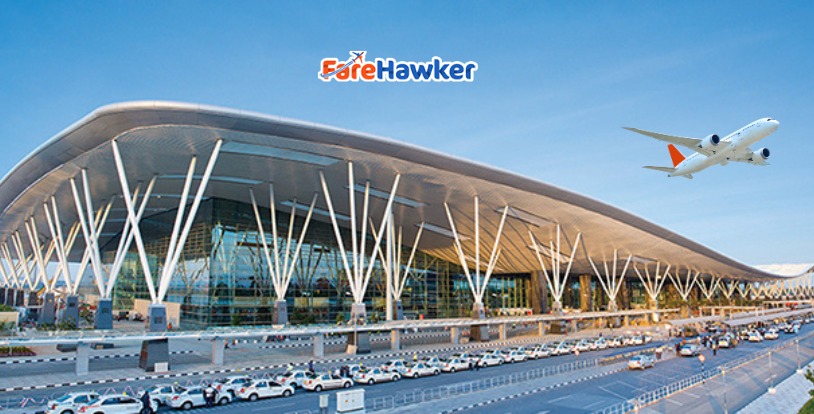
India’s aviation landscape is changing rapidly. With several new airports and airport expansions underway, airports today play a much bigger role than just moving passengers. They have become key catalysts for real estate growth and long-term urban development.
Across India, airport projects are reshaping land values, employment patterns, and city planning in a quiet but powerful way.
Why Airports Influence Real Estate So Strongly
Airports improve speed, accessibility, and economic reach. These airports also improve the small cities connectivity. Many flights are available at small airports also. When a city gains better air connectivity, it becomes more attractive for:
- Businesses and corporate offices
- Skilled professionals and workforce migration
- Tourism and investment activity
This rising economic movement increases demand for residential, commercial, and mixed-use real estate, particularly in areas surrounding the airport.
1. Improved Connectivity Increases Residential Demand
New airports significantly reduce travel time and improve overall city access. As a result, people increasingly prefer living closer to major transport corridors and business zones.
This leads to growth in:
- Apartments near airports
- Rental housing for working professionals
- Gated residential communities
Many areas once considered peripheral gradually transform into prime residential locations within a few years of airport development.
2. Airports Trigger Infrastructure-Led Urban Expansion
Airport projects usually bring supporting infrastructure such as:
- Expressways and arterial roads
- Metro rail or regional rail links
- Utilities and social infrastructure
These developments convert underutilized land into future-ready urban pockets, attracting both developers and long-term investors.
From a mobility perspective, improved airport infrastructure also enables smoother corporate and institutional movement, strengthening the local economy.
3. Commercial and Office Real Estate Grows Around Airports
Businesses value proximity to airports because it reduces travel fatigue, improves client accessibility, and supports national and global operations.
As a result, areas near airports often see rapid development of:
- Office parks and IT campuses
- Business centers and SEZs
- Convention and event venues
In cities like Bengaluru, Hyderabad, and Delhi NCR, airport-linked business districts have evolved into major employment hubs.
4. Hospitality, Retail, and Mixed-Use Developments Follow
Airports create consistent demand for:
- Hotels and serviced apartments
- Retail and entertainment spaces
- Co-living and short-stay rental formats
With steady footfall from business travelers and tourists, mixed-use developments near airports often deliver stable rental yields and long-term value.
5. Indian Cities Transformed by Airport Development
Jewar (Noida International Airport)
The upcoming airport has unlocked growth along the Yamuna Expressway and Greater Noida, turning large land parcels into investment-focused micro-markets.
Navi Mumbai International Airport
Areas such as Ulwe and Panvel have witnessed rising real estate interest as connectivity and supporting infrastructure improvement.
Bengaluru International Airport
North Bengaluru and Devanahalli demonstrate how airport-led growth can reshape an entire region into a technology, logistics, and residential hub.
6. Employment Generation Fuels Housing Demand
Airports generate thousands of direct and indirect jobs across aviation, logistics, retail, and hospitality. This expanding workforce creates sustained demand for:
- Affordable housing
- Mid-segment residential projects
- Rental properties
Such demand ensures long-term stability in airport-driven real estate markets.
7. Why Investors Closely Track Airport Projects
Experienced investors closely monitor:
- Airport approvals and construction timelines
- Connectivity and expressway announcements
- Government infrastructure spending
Historically, real estate investments near upcoming airports have delivered strong appreciation when entered early and held over the long term.
For buyers and investors exploring infrastructure-backed locations, platforms like TyTil help simplify property discovery and location evaluation.
Final Thoughts
In modern India, airports are no longer isolated transport facilities. They act as growth anchors that shape cities, influence property markets, and create new economic corridors.
Understanding how new airports boost real estate growth in Indian cities helps homebuyers, investors, and businesses make informed, future-ready decisions.